

Visual Analysis of Multi-Religious Integration in the Lijiang Baisha Oceanic Congregation of Shakyamuni Buddha Mural

Updated: Jul 26

List of Authors:
Xiyu Hu 1, Siliang Chen 2*, Yunqi Hao2, Haixia Feng 3 and Shaohua Wang 3*
1 College of Art, Edinburgh University, United Kingdom; s2331298@ed.ac.uk
2 School of Architecture,Chang'an University, China; chensiliang@chd.edu.cn
3 School of Remote Sensing and Information Engineering, Wuhan University, China; shwang@whu.edu.cn
* Correspondence: chensiliang@chd.edu.cn; Tel.: +86-029-8233-7241
Abstract: The Baisha Murals are a significant part of the world cultural heritage of Lijiang Ancient Town. Among these, the murals in Dabaoji Palace are the largest in scale, best preserved, and most exquisitely painted, integrating elements of Han Buddhism, Taoism, and Tibetan Buddhism, combining traditional painting techniques of the Chinese and the Tibetan, the Naxi and the Bai ethnic groups. They are valuable material for researching the ethnic history, art history, and the history of religions of the Naxi people. This paper focuses on the mural painting Shakyamuni Buddha Sea Meeting in Dabaoji Palace, studies the multiple religions integration path based on the artistic and visual analysis of the mural painting through its painting methods such as the composition of religious figures, scale and proportion, color and line features, and the synergy between murals and architectural space. Interpreting the historical and social context of Lijiang during the Ming Dynasty, this paper explores how the environmental, material, and spiritual dimensions of the Baisha Mural are interconnected to create a realm of mental experiences of Buddhism, elucidating the cultural connotations, aesthetic significance, and historical value of the murals represented through “three religions in one." It reveals the complex interaction between material and spiritual content, real-world and fictional settings in religious art, inspiring contemporary artists to draw inspiration from historical classics and explore the diverse values of cultural heritage.
Keywords: Baisha Murals, Buddhism, Taoism, Tibetan Buddhism, Three Religions in One, Visual language
1. Introduction
The Lijiang Baisha Murals are the practices of "three religions in one", which integrates contents of Han Esoteric Buddhism, Tibetan Tantric Buddhism, and Taoism. The meaning of "three religions" in the context of Oceanic Congregation of Shakyamuni Buddha is distinct from the conventionally accepted meaning of "three religions" in Chinese culture which refers to Confucianism, Buddhism, and Taoism. The mural is unique in its artistic expression, combining the traditional painting style of the Central Plains of China and the painting techniques of the Tibetan people, making it one of the greatest treasures of Chinese culture and the artistic legacy of the ethnic minority in Yunnan Province (Yang 2015). Oceanic Congregation of Shakyamuni Buddha is a perfect example of the integration of the three religions among the Baisha Murals, showing sanctity by adhering to the rigorous standards of Tibetan Buddhism while reflecting the ethereal spirit of Han Buddhism and Chinese painting. This paper aims to explore the relationship between the visual image of the mural and the image of the mind, and to build a spiritual topography of Oceanic Congregation of Shakyamuni Buddha through analysis of its artistic language based on methods of image studies and the characteristics of " three religions in one". Description of directions appearing in this paper is based on the viewer facing the mural.
Through investigating existing related research papers, we found that there is relatively more information on the general introduction of the Lijiang Baisha Murals, while relatively fewer works analyze the artistic language and religious connotations of the Baisha Murals. For example, Xinbian Lijiang Fengwuzhi丽江风物志(New Compilation of Lijiang Scenery Records) by Qunyu Li and Yunnan Lidai Bihua Yishu 云南历代壁画艺术 (Yunnan Historical Mural Art) by Haitao Wang have introduced the basic situation of the Baisha Murals. In terms of the research on the artistic characteristics and value of the Baisha Murals, Yuanyuan Yang from Yunnan Arts Institute has analyzed the decorative artistic features of the Baisha Murals and the application of these decorative elements in modern design in her Master’s thesis Decorative Features in the Lijiang Baisha Mural Art丽江白沙壁画艺术中的装饰特色; Jingrong Liu from Northwest Minzu University has made a comparative analysis of Baisha Murals and Dunhuang Murals as well as contemporaneous Western murals from the perspective of visual languages in Master's thesis On the Artistic Quality of Baisha Murals论白沙壁画的艺术价值; Meijuan Duan from Yunnan Arts Institute has briefly analyzed the integrated religious features of the Baisha Murals, highlighting its historical and artistic values in her thesis On the Qualitative Changes in the Development of Naxi Ethnic Painting谈纳西族绘画发展历程中的质变; Shihua Mu from the Naxi ethnic group elucidated the historical and cultural positioning of the Naxi people in terms of the fusion of Chinese and Tibetan religions and cultures in Naxi between Han and Tibetan: Research on the Core Symbol on the Caisson Ceiling in Lijiang Dabaoji Palace纳西在汉藏之间:丽江大宝积宫藻井核心符号研究. Overall, though most of the papers have provided an overall introduction and analysis of the Baisha Murals, the prevailing style of the murals in individual architectures in Baisha varies due to different periods of construction. For example, Oceanic Congregation of Shakyamuni Buddha was painted in the Dabaoji Palace where the most comprehensive and balanced integration of the three religions is present. Therefore, this paper attempts to conduct a more in-depth exploration of the spiritual images behind the specific contents of Oceanic Congregation of Shakyamuni Buddha by conducting formal analysis of the composition, lines, and colors of the mural.
In addition, there has not been much analysis that combines specific artistic expressions with their spiritual implications in existing materials, as well as how specific murals establish connections with viewers' spiritual experiences through their visual languages. This article aims to fill this gap by analyzing how the visual effects of Oceanic Congregation of Shakyamuni Buddha build up a spiritual topography through interaction with the viewer. This article also explores the effects of different viewing perspectives in relation to the image composition to discuss how this relationship strengthens the viewer's mental experience, reproducing the Buddhist spiritual world which cannot be solely represented by texts.
2. Material and Methods
2.1 Overview of Lijiang Baisha Murals and Shakyamuni Buddha Sea Meeting
The Lijiang Baisha Murals are an important part of the heritage of the Naxi culture which flourished in the Ming Dynasty. The Ming Dynasty was the period when the Mu family was at the peak of its reign in Lijiang, during which the Mu family built a large number of religious complexes such as the Liuli Palace, the Dabaoji Palace, and the Dading Palace (Mu 2020). Over the past three hundred years from the early Ming to the early Qing Dynasty, the painting of Baisha Murals continued, bringing together artists from various religious backgrounds such as Han, Tibetan Buddhism, and Taoism (Duan 2014), resulting in a fusion of traditional painting techniques and styles from both Han and the Tibetan cultures in the Baisha Murals, which have thus become a crystallization of cultural dialogues.
The Dabaoji Palace was built in the Wanli period of Ming Dynasty, where the essence of the Baisha Murals is located. The name Dabaoji Palace comes from the Great Dabaoji Sutra. On the main wall is Oceanic Congregation of Shakyamuni Buddha, which is the largest and most exquisitely painted among the existing 12 murals in the palace (Yang Yuanyuan 2015), as shown in Figure 1. Covering an area of 367 x 498 centimeters, it is also the largest of the murals in Lijiang. Its theme is derived from the Dabaoji Sutra of the Amitabha Buddha (Wuliangshoufo 无量寿佛) which means the Buddha of eternal life. The Sutra was translated during the Tang dynasty by Bodhiruci (Putiliuzhi菩提流支), a north Indian monk who came to China in 508 and became very active as a teacher and translator. It depicts the scene of Shakyamuni Buddha preaching to a congregation of deities (Yang 2015). The whole picture combines deities in Han Buddhism, Tibetan Buddhism, and Taoist gods to depict a scene of magnificence (Figure 1).

Figure 1. On-site sphotograph of Shakyamuni Buddha Sea Meeting and the three religions represented (not all parts are included)
2.2 Methods
This article approaches Oceanic Congregation of Shakyamuni Buddha from multiple perspectives to analyze its artistic language and how it interacts with the audience to construct a spiritual landscape. Starting from the overall style and historical background of the mural, this article delves into the individual artistic languages of Tibetan Buddhism, Han Buddhism, and Taoism, analyzing the composition, proportions, lines, and color using the methods of image formal analysis and stylistic analysis. The article also seeks to combine the perspective of Tibetan art with the art and culture in the Central Plains of China to explore how they achieve a harmonious blend within the mural (Figure 1). Methods of single-point, scattered, and parallel perspectives will be analyzed to explore how Oceanic Congregation of Shakyamuni Buddha creates space within the physical painting and engages viewers with the spiritual experience of realization (Figure 2). The use of "visual tiers" throughout the composition will also be explained to explore the spiritual topography of Oceanic Congregation of Shakyamuni Buddha and the relationship between the "seen" and "unseen".
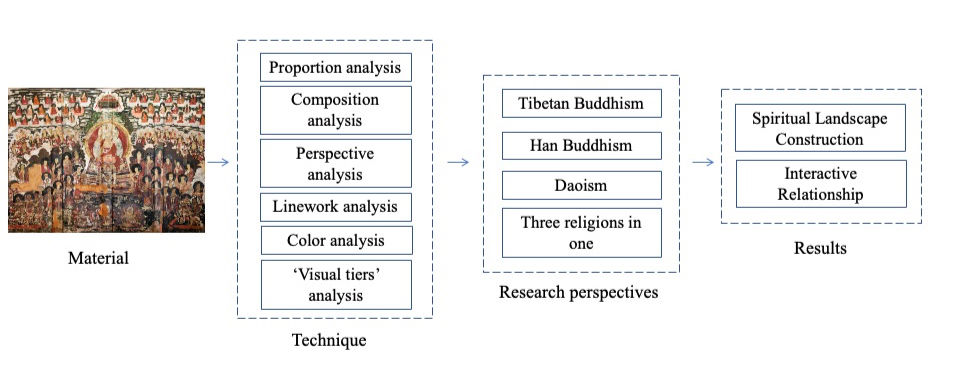
Figure 2. Methods and research flowchart
3. Artistic and Visual Analysis of Shakyamuni Buddha Sea Meeting mural painting
This section begins with an overview of the content, imagery, and style of Oceanic Congregation of Shakyamuni Buddha from a holistic perspective of the Mu Family as the official patron of the Baisha Murals. The following parts then analyze the mural from three perspectives: Tibetan Buddhism, Han Buddhism, and Taoism. The characteristics of the Tibetan Buddhist painting style presented in the mural include its sacredness, strictness, and strong visual impact. The painting style originated from the Central Plains of China also has its impact on the mural, which demonstrates flexibility, subjectivity, elegant colors, and the integration of the religious and the secular. Taoist painting is similar to Han Buddhist painting, emphasizing a blend of form and spirit, vividness, and harmony with the Tao.
3.1 Content and Artistic Style from a Wholistic Perspective
3.1.1 Overview of the Content
Oceanic Congregation of Shakyamuni Buddha depicts the magnificent scene of the Shakyamuni Buddha gathering the holy assembly to preach. The painting includes over a hundred images of various deities. Shakyamuni Buddha, painted in gold and wearing a red cassock, sits cross-legged on a lotus at the center of the painting. His face shows great compassion and tranquillity. On the upper layer sits eighteen small Buddhas, representing the Eighteen Arhats (Shiba Luohan十八罗汉) in Han Buddhism. Directly below the Eighteen Arhats are the Taoist thunder gods appearing in the clouds, as well as a heavenly emperor and a goddess in Taoism. In the middle section, various bodhisattvas stand close to the sides of Shakyamuni Buddha, and further away from Shakyamuni are Taoist gods, goddesses, and heavenly guardians. In the lower section, three wrathful Dharmapalas of Tibetan Buddhism appear right below Shakyamuni, with the Four Heavenly Kings (Si Da Tianwang四大天王) of Han Buddhism standing in the bottom corners of the painting. On the left corner are Chiguo Tianwang 持国天王 of the East and Duowen Tianwang 多闻天王 of the North; on the right corner are Guangmu Tianwang 广目天王 of the West and Zengzhang Tianwang 增长天王of the South. The mural integrates Han Buddhism, Tibetan Buddhism, and Taoism through clear composition, sacred colors, and vivid figures.
3.1.2 Overview of the Artistic Style
Traditional religious paintings have been exclusive of other religions and external influences in terms of subject matter and artistic forms, so as to maintain religious purity and sacredness. Every religious painting must adhere strictly to certain traditional norms and doctrines which cannot be easily altered. However, being created under the unique historical background where the Mu family shows great openness to all cultures in its governance, Oceanic Congregation of Shakyamuni Buddha successfully integrates the painting techniques of Han, Tibetan, and Naxi ethnic groups into one picture. The most prominent feature is the integration of the traditional mural techniques of the Central Plains and Tibet, making the mural rigorously organized in religious terms, while at the same time inheriting the realistic style of traditional Chinese painting and showing marks of secularity. The characters in the painting are decorated using gold techniques, showing thin and linear heaps of gold powder in their clothing, headwear, and accessories. The colors are bold, vivid, sacred, and elegant at the same time, which shows a perfect blend of the strong contrasting coloring style of Tibetan Buddhism and the traditional Chinese figure painting style formed during the Tang Dynasty (Liu 2007).
3.2 Formal Analysis from the Perspective of Tibetan Buddhism
The most typical composition of various schools of Tibetan painting is to put the main figure in the center and organize other figures in rows or columns around the central figure. This way of composition emphasizes the status of the central figure, shows clear layers, and has a strong focus on symmetry and balance of figure distribution (Yang 2021). The composition of Oceanic Congregation of Shakyamuni Buddha shows three recognizable sections: the upper section, the middle section, and the lower section. The Shakyamuni Buddha is seated in the center as the host of this sacred assembly, while the surrounding figures are arranged around the Shakyamuni Buddha in rows, with the attendant Bodhisattvas in the middle section being closest to Shakyamuni. A solemn scene of the preach is thus constructed through the prominence of the main deity and a compact, orderly, and symmetrical figure distribution. The center of the scene is located at the geometric center of the picture, which must be the result of the painter strictly following the measurement standards of religious figures. Additionally, the proportion of the bodhisattvas, monks, and gods around Shakyamuni are purposefully made smaller than the image of the main divinity (Figure 3).
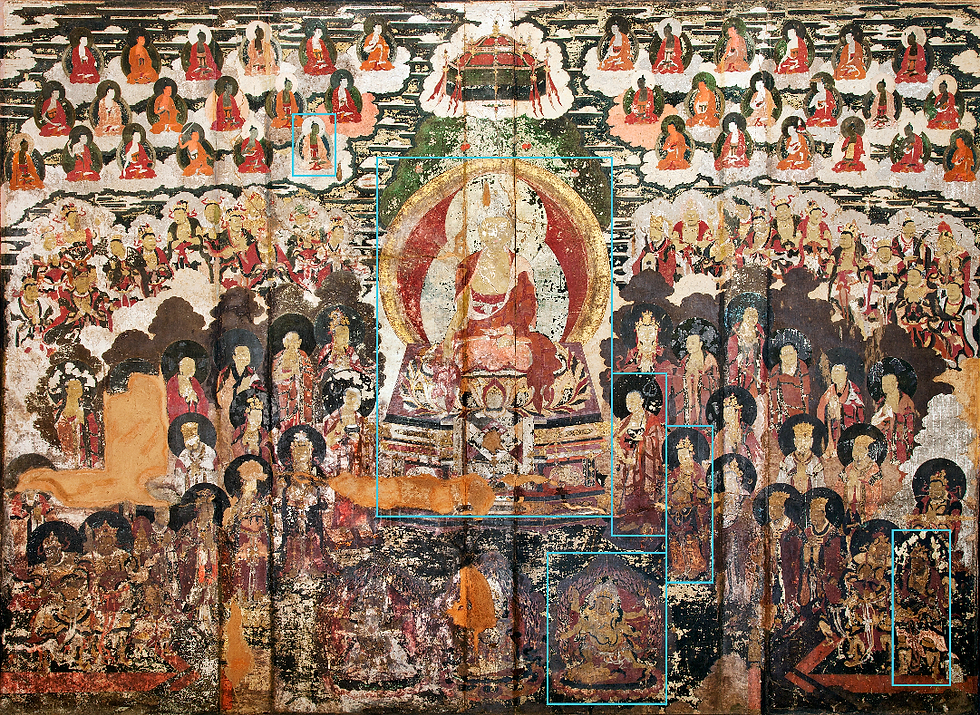
Figure 3. Comparison of figure proportions in the overall composition
The proportions and measurements of Buddhist figures must follow strict paradigms when creating Tibetan Thangka (Tangka唐卡) and murals to ensure the solemnity and sanctity of religious images. This is mainly reflected in the regulations for the proportions of figures such as Buddhas, Bodhisattvas, Dharmapalas (hufashen护法神), and Arhats. In the practice of Tibetan Buddhist art, these regulations are expressions of worship and faith based on religious doctrines (Yang 2021). Thus, Tibetan Buddhist art is essentially a manifestation of collective art and consciousness, which underlies the theories that originated from the four image-forming classics known as the "Three Sutras and One Commentary(三经一疏)" which were translated in the early centuries. Among them, the Commentary on the Sutra of Buddha Body Measurements(佛说造像量度经) provides clear and detailed regulations on the proportions, hand gestures, symbols, postures, clothing, colors, and other details of Buddhas, Bodhisattvas, and Dharmapalas, which had a profound impact on Tibetan Buddhist art (Yang 2021). The proportion of Buddhist figures in Oceanic Congregation of Shakyamuni Buddha shows identifiable patterns. For example, the height of Shakyamuni Buddha including the altar is 13 times the width of the Buddha face which can be represented by a square (Figures 4). The height of Kassapa (Jia She迦叶), a disciple on the left of Shakyamuni, is 6 times the facial width of Shakyamuni Buddha, while a Taoist god is 7 times the unit height (Figure 5). The three rows of small Buddhas above the main deity (Figures 6-7) maintain almost the same sitting postures, with variations only in skin color, attire, hand gestures, and halo colors. It was emphasized in the Sutra of Buddha Body Measurements (造像量度经) that, if a painter depicts a Buddha image that does not adhere to the standards, the Buddha image may not attain the realm of wisdom, and at worst, it may disrupt the fortune (also known as feng shui 风水) of the temple and the area around it. Thus, in order to win the faithfulness of Buddhist votaries and to preserve their own merits, it is likely that the painters of Oceanic Congregation of Shakyamuni Buddha used preliminary sketches to ensure that the 36 small seated Buddhas are the same in size and proportions.

Figure 4. Proportion of Shakyamuni Buddha

Figure 5. Proportion of Kassapa (left), Boddhisatva (middle), and Taoist god (right)

Figure 6. Three rows of small seated Buddhas on the left
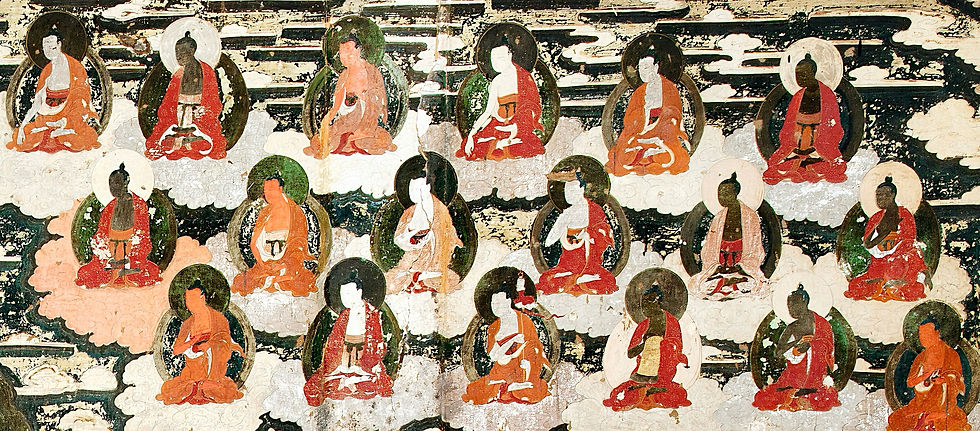
Figure 7. Three rows of small seated Buddhas on the right
Additionally, using a rectangular frame marked in red (Figure 8) that fits the main Buddha figure as a unit of composition, the image can be divided into a basic layout of a 4×8 grid.

Figure 8. Overall composition in grid
In the use of color, Oceanic Congregation of Shakyamuni Buddha creates strong and bold contrasts in tones, which is one of the main features of Tibetan paintings. The heavy black undertone sets off the dominant colors of red and gold, resembling the deep, metallic sound of bass in a symphony. The hue of colors in Oceanic Congregation of Shakyamuni Buddha is also influenced by Tibetan Thangka paintings, with gold, vermilion, and black as the main color palette, which is similar to black Thangkas (Liu 2007). Black Thangka originated within the tantric doctrines of Tibetan Buddhism and is often used to create a solemn, enigmatic, and majestic atmosphere (Yang 2015). The use of black as the base color in black Thangkas helps to identify the main structure of the painting and sets up the light and shade relationships, evoking a mystical and profound feeling. The background Oceanic Congregation of Shakyamuni Buddha also employs black, while featuring complementing colors such as vermilion and gold to outline the contours and highlight the radiance of the Buddha. The heavy undertone created by the dark background contrasts sharply with the vivid colors that are applied to the figures, creating a strong visual impact that can be seen in Figure 9. The richness of the dark background acts as the bass part in a symphony, maintaining a deep and robust keynote that suppresses the sharpness of brighter colors while highlighting their luminosity and glory, creating a sense of unity for the whole painting.
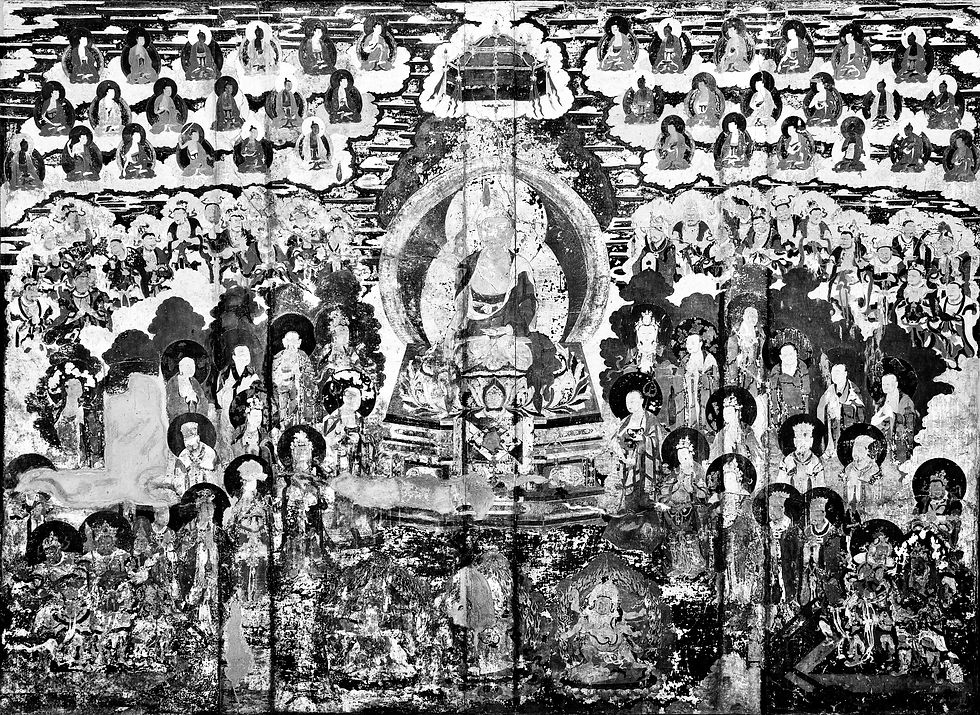
Figure 9. Shakyamuni Buddha Sea Meeting adjusted to black and white
In terms of the traditional types and design of Buddhist figures, there are two main types of deity images in Tibetan tantric Buddhism, one with a peaceful appearance and the other with a rather wrathful look. Deities that appear peaceful are characterized by placid and tranquil facial expressions with the slightest hint of delightfulness, representing a spiritual state of compassion, contemplation, emptiness, and pure joy. Typical figures that are represented in a peaceful state include Buddhas, Bodhisattvas, and White Taras (Baidumu 白度母). Deities with wrathful appearances are representations of suppressed anger and formidable power, emphasizing a state of compassion on the inside while appearing fierce on the outside in order to defend the Buddha Dharma (fo fa 佛法) against evil forces, which is the dual character in Tibetan Dharmapalas. In Tibetan Buddhism, it is believed that the fulfilment of great virtue requires the impetus of great evil, so the Dharmapalas are depicted with fierce appearances demonstrating the power of conquering evil. The Mahakalas (Dahei Tianshen大黑天神) (Figure 10) in Oceanic Congregation of Shakyamuni Buddha belong to the type of wrathful deities in tantric Buddhism, depicted with a fierce expression, flames burned behind them in a dark red aura which symbolizes courage and serves as a warning to the devils. The Chinze (Qinze钦则) school of Tibetan Buddhist painting excels in depicting wrathful deities. Their facial expressions are fierce, and their bodies are sturdy yet often depicted in dynamic dancing postures, showing both steadiness and strength. Their color shows mastery in utilizing strong and bold contrasting colors, creating a powerful visual impact (Fan and Luo 2009).
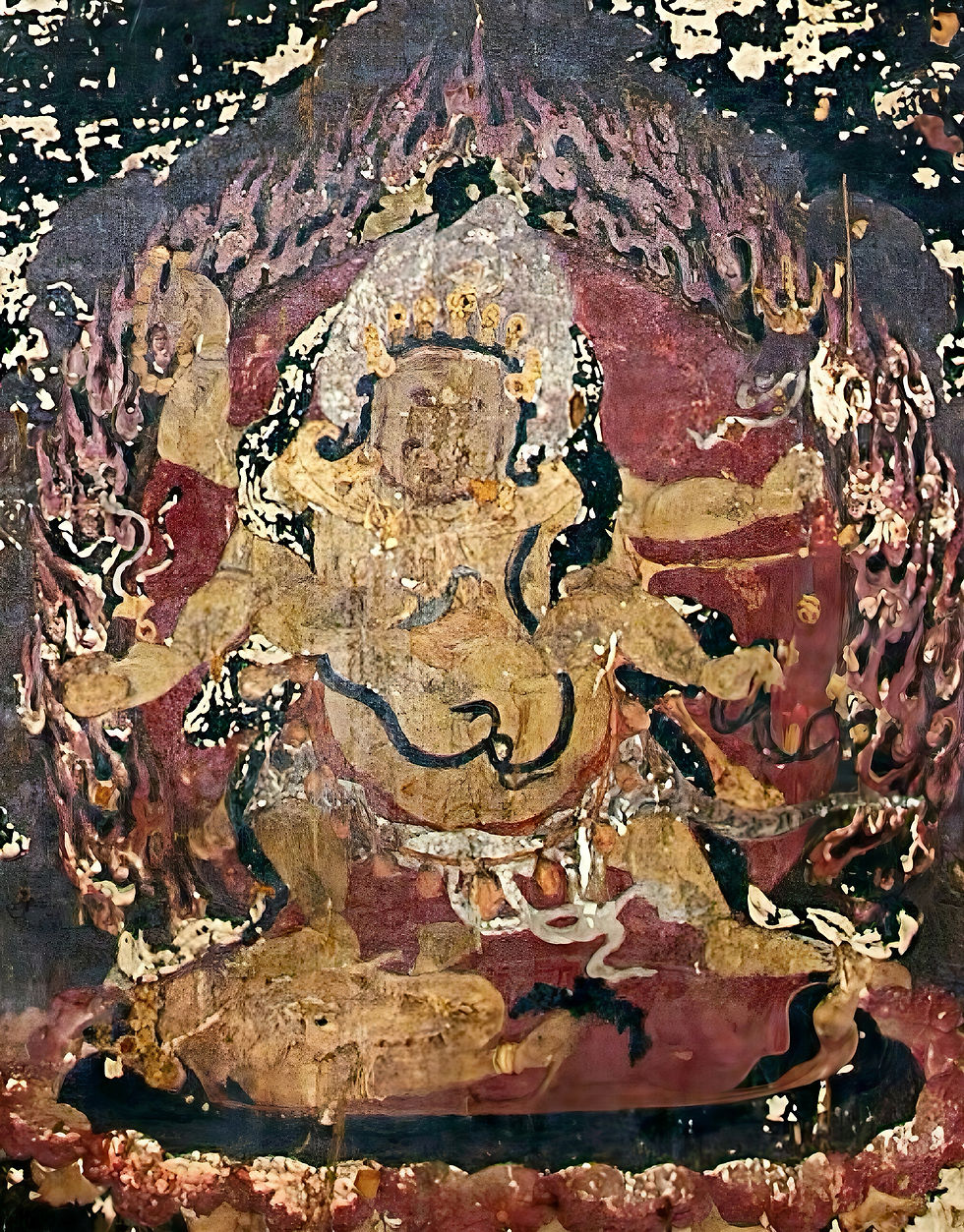
Figure 11. Image of the six-armed Mahakala underneath Shakyamuni
3.3 Formal Analysis from the Perspective of Han Buddhism
Despite being a well-organized religious painting, Oceanic Congregation of Shakyamuni Buddha embodies the creativity and personality of the painters, demonstrating flexibility and fluidity within the regulations, which is influenced to a great extent by painters from the Central Plains of China. Traditional Chinese painting typically adopts a method of perspective characterized by multiple lines of sight. This method often lacks a sense of depth but is useful in decorative and large-scale paintings. Unlike the perspective with a single vanishing point, this "scattered" type of perspective features multiple or even countless points of perspective on the canvas and more than one indistinct horizon (Tan and Cui 2012). In Oceanic Congregation of Shakyamuni Buddha, only the central altar and the canopy above Shakyamuni might be drawn using single point perspective (Figure 11), while the characters and overall composition mainly use the method of parallel projection or "scattered" perspectives. The characters each represents a "point", and the dispersed layout of these "points" creates space within the image, enabling the painter to organize multiple elements into one scene without being restricted to a single viewpoint. Thus, the image can display a vast realm of sight which presents the plot more comprehensively and vividly, enhancing the artistic expression and narration of the image. This is a demonstration of flexibility in composition achieved by traditional Chinese paintings.

Figure 12. Altar and canopy drawn using single point perspective
Sun has mentioned the "frontal—parallel" type of composition in her analysis of the architectural imagery in Dunhuang Murals. This method allows the selected "frontal" side of the image to always maintain a specific proportional relation within the image regardless of the audience's distance from the image (Sun 2024). This method of composition is used in Oceanic Congregation of Shakyamuni Buddha where a frontal view is adopted to depict the grand scene of Shakyamuni preaching to the assembly. Each figure in the painting remains parallel to the audience, creating a sense of unity between the space of the audience and the space within the mural (Sun 2024). As a result, the Sea Meeting in the mural appears as a stable scene. Additionally, the composition allows viewers to directly perceive the solemnity in the central image of Shakyamuni and be drawn naturally into the Meeting. Although the overall composition and individual figures are presented in a "frontal—parallel" way to the audience, the variation in the size and proportions of the figures allows more space to be included in the sight, facilitating the display of various deities in the immense world of the Buddhist. For example, the three rows of small seated Buddhas in the top section are much smaller in size compared to the central image of Shakyamuni and other deities, which breaks free from spatial constraints to depict a complete view of the grand gathering and emphasize the main subject. This also reflects some exploration of depth in the painting without distorting the figures and avoids rigidity in arranging the figures. Additionally, most of the figures standing on the sides of Shakyamuni are tilted slightly towards the center where Shakyamuni shows up, which creates a slightly inward trend throughout the composition, giving flexibility to the otherwise more rigid composition. This also strengthens the connection between the figures and emphasizes the main subject. It is likely that this flexibility in the size of figures and arrangement of their standing position is, to some extent, the result of the painter's subjectiveness and consciousness at the moment he was painting, showcasing freedom of expression and emphasizing subjectivity that is inherent in the spirit of traditional Chinese painting and aesthetics.
Meanwhile, the figures in Oceanic Congregation of Shakyamuni Buddha are organized in an overall parallel and symmetrical style, while creating flexibility and balance throughout the picture. This is in part due to the slight variations in the heights of individual figures, the staggered arrangement of figures, and the variation in density of the distribution of figures. This is another evidence that the painter has incorporated a flexible mechanism throughout the overall symmetrical composition to achieve balance between order and flexibility. In addition, although the group of Taoist thunder gods in the clouds stays symmetrical and parallel as a whole, the figures are interlaced loosely and their characters are all vividly depicted---some are facing towards the audience, some are looking backward, some are glaring at each other, and some are folding their hands (Figure 12-13). In this sense, we can feel the creativity, liveliness, and humanity in Oceanic Congregation of Shakyamuni Buddha, as the artists show their personal style and infuse their own thoughts, ideology, passion, and faith into the painting.

Figure 12. Taoist thunder gods on the right

Figure 13. Taoist thunder gods on left
In addition to creativity in composition, the meticulous depiction of the figures has the charm of traditional Chinese fine brushwork paintings. Chinese fine brushwork paintings are characterized by delicate brushstrokes, the unity of form and spirit, elegant colors, and emphasis on detailed and realistic representation of the subject (Zhu 2016). The figures in Oceanic Congregation of Shakyamuni Buddha are all carefully painted, rich in detail, and vividly portrayed with precise coloring to create an exquisite visual effect. The details have precise contours and are outlined with delicate brushstrokes that create uniform fine lines, displaying the features and texture of the objects vividly and realistically (Figure 14). Traditional Chinese fine brushwork painting not only pursues the accurate reproduction of objects, but also emphasizes the expression of "spirit (shen yun神韵)" within the subject (Li 2009) and the artistic conception (yi jing意境) that arises from the image. The expression of "spirit" is not only the aesthetic pursuit of traditional Chinese paintings but also the core value of its artistic creations. Gu Kaizhi, an outstanding traditional Chinese painter, believed in the unity of form and spirit, and that the subjects in the painting should not only visually assemble the reality, but also be endowed with the "spirit" beyond the surface that evokes people's imagination, thereby shifting the focus from the image itself to the inner temperament and cultural dimensions derived from the image (Ma 2017). The key to the expression of the "spirit" lies in the subtle balance between the depiction of reality and the realm of pure idealism. For example, a monk in Oceanic Congregation of Shakyamuni Buddha (Figure 15) shows a worldly humanistic expression on his face, while the characters themselves suggest a divine quality that seems to transcend the mortal and become part of the deities. In addition, traditional Chinese painting also emphasizes the creation of the "unseen" scenery, that is, the artist's ability to construct an imaginary and ethereal world within the scope of a physical painting according to their ideals (Zhou 2010). This "unseen" realm is usually absent in real life but can be reproduced in the mind of the painter through art. Despite that Oceanic Congregation of Shakyamuni Buddha is a religious creation, it also reflects the emotional and idealistic Buddhist world constructed through the artist's own imagination.

Figure 14. Clouds painted with Chinese fine brushwork
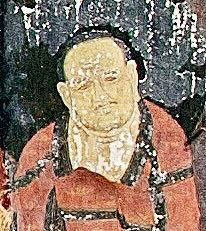
Figure 15. Image of a monk
Besides emphasis on linework and the inner "spirit" of subjects, traditional Chinese paintings usually use mineral pigments for coloring and often use an elegant, calm, mild, and subdued color palette. It focuses on creating subtle layers and contrasts within the picture, and the colors create a unified tone to produce a harmonious and naturalistic visual effect (Zeng 2015). Oceanic Congregation of Shakyamuni Buddha employs the style of single-line drawing and flat coloring technique in traditional Chinese painting, using colors that are less jubilant and not as intense compared to traditional Tibetan paintings. The overall tone is a mixture of delicate elegance, solemnity, and profoundness. The color composition in the painting achieves harmony and balance while introducing richness and variety through the interplay of a limited color palette. Like all other Baisha Murals, Oceanic Congregation of Shakyamuni Buddha avoids the issue of light and shadow in a painting by simplifying the elements in the image to a decorative color composition (Yang 2015) which emphasizes the balance and rhythm of colors through the size, shape, and place of different elements, thus creating unity in the whole picture. For example, the black, red, and gold colors within Oceanic Congregation of Shakyamuni Buddhainteract with each other through the shape, size, and distribution of their applied areas, achieving balance and richness by creating contrasts and harmony within a limited color palette. Overall, the organic combination of elegant colors and delicate fine lines gives the mural an extraordinarily exquisite visual effect.
The Han Buddhist figures in Oceanic Congregation of Shakyamuni Buddha are often created under looser conditions with fewer religious restrictions, simplifying complex features to express the essential character and incorporating secular characteristics in religious figures. Shakyamuni Buddha, the small seated Buddhas, Bodhisattvas, and Taoist gods all exhibit the features in Han-style figure paintings, integrating traditional Chinese aesthetics. The image of the Buddhas and Bodhisattvas in Oceanic Congregation of Shakyamuni Buddha tends to be stable compared to the more dynamic body postures in ancient Indian and Nepalese Buddhist figures. Their facial features resemble the Han people in a distinct way, delicately drawn with thin, smooth lines to express peace and serenity through their eyes, eyebrows, and lips. Among them, Shakyamuni Buddha is drawn as a simple yet realistic figure that appears as a popular and beloved image for the Chinese people (Figure 16). In addition, the attires of Buddhas, Bodhisattvas, and gods adopt the traditional Chinese figure drawing techniques characterized by delicate smooth lines and a sense of texture, showing a realistic and decorative style. The various deities and heavenly kings are all dressed up gorgeously and solemnly, exuding a strong sense of the aristocratic culture of the Ming Dynasty. The bodhisattvas embody the characteristics of Chinese noble women, with a beautiful and luxurious headpiece and a U-shaped waist ornament which is commonly seen in traditional Chinese figure drawings for the royalties (Figure 17). Standing beside the bodhisattvas are Taoist gods wearing traditional Ming Dynasty official hats and attire, further manifesting the secularization of religious paintings (Figure 18).

Figure 16. Image of Shakyamuni Buddha
(a) left (b) middle (c) right
Figure 17. Image of a Bodhisattva
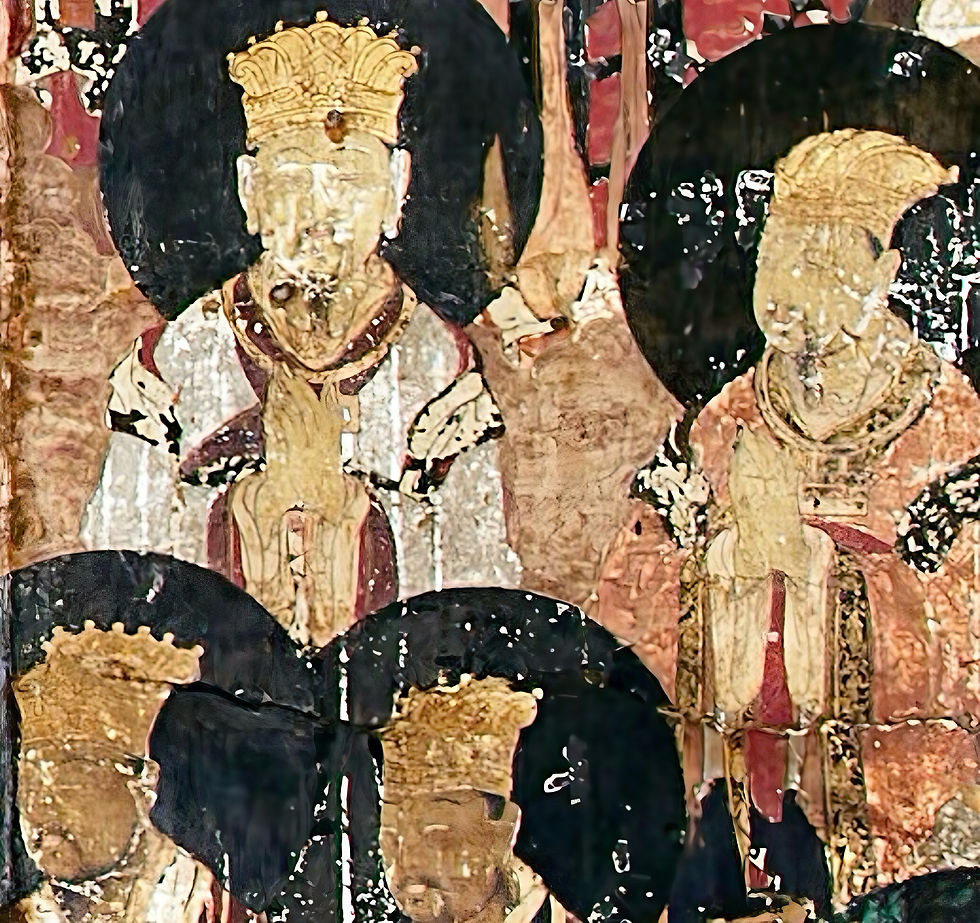
Figure 18. Image of Taoist gods
Notably, the four heavenly kings (Figure 19) depicted on the lower sides of the mural, who usually appear to be fierce, embody the reserved, modest, and peaceful Confucian ideology that originates from the Central Plains of China. They are portrayed in a peaceful manner, with curved eyebrows resembling willow leaves, slender eyes, small and plump lips, and a realistic brownish-yellow skin tone. They seem to be interacting among themselves with relaxed postures. Overall, the images of the heavenly kings are not overly exaggerated but rather delineated in a minimal style, creating a solemn temperament imbued with a sense of gentleness and friendliness.
(a) (b)
Figure 19. Heavenly Kings of the East and the North
Overall, compared to the strict norms that should be followed in Tibetan Buddhist art, specific regulations and measurement theories are not as strict in Han Buddhism art. The traditional Chinese painting techniques reflected in Oceanic Congregation of Shakyamuni Buddha are more or less inherited from the meticulous fine brushwork paintings from the Tang and Song dynasties, which have developed a unique indigenous style through time.
3.4 Formal Analysis from the Perspective of Taoism
Taoism is one of China's mainstream religions besides Buddhism and is representative of the cultures in the Central Plains of China. Established during the Han Dynasty, Taoism explores the origin and laws of the natural world and all things in the universe. The Taoist school of philosophy advocates simplicity and harmony with nature, pursuing the state of "emptiness" and tranquillity (Pan and Yin 2010). It emphasizes the unity of the subject and the objective world. Ever since the first thoughts of Taoism were suggested in the time of Laozi, a renowned Taoist philosopher, Taoism has played a positive role in Chinese painting by providing theoretical guidance and determining the aesthetic ideology of Chinese painting. The ancient sages believed that art comes from nature, from Tao, and from within the heart. Therefore, Chinese painting is a process of realizing the nature of Tao and being in harmony with the Tao, which is manifested in the unity of art and nature, the expression of spirit through form, and the integration of the mind with Tao (Yu 2010). From looking at Oceanic Congregation of Shakyamuni Buddha, we can feel the flow of "spirit" or "essence" through the entire painting, which cannot be seen but is hidden beneath the lively features of the characters, flowing through their fingertips, and rising from the changing shapes of the clouds. In Chinese, this "spirit" is known as the "Qi气" of Taoism and traditional Chinese paintings, which is also inherent within all things in the universe.
Stiff and lifeless brushstroke is almost taboo in Chinese painting. As stated by the founder of Taoist philosophy, Laozi, "The harsh is to perish while the tender is to prosper". This is the same as the preference in Chinese painting. Softness can overcome hardness and indifference, which in Chinese painting is manifested through the delicacy of lines, holding strength on the inside but appearing soft on the outside. The linework in Oceanic Congregation of Shakyamuni Buddha shows the beauty of softness and delicacy, as the lines subtly appear and then disappear through the figures, sometimes integrating naturally with the colors. However, we can still appreciate the inner strength of the brushwork under those fine lines through the flowing ribbons around the Taoist thunder gods (Figure 20), the rising lotus petals, the substantial throne on which Shakyamuni sits, the silk ribbons hanging from Shakyamuni's canopy (Figure 21), and the distinct outline of clouds and mists. This is the spirit of "strength within softness" in Taoism that is manifested Oceanic Congregation of Shakyamuni Buddha, endowing it with both the compassion of Buddhism and the beauty of softness in Taoism, while still maintaining the grandeur and solemnity of the congregation.
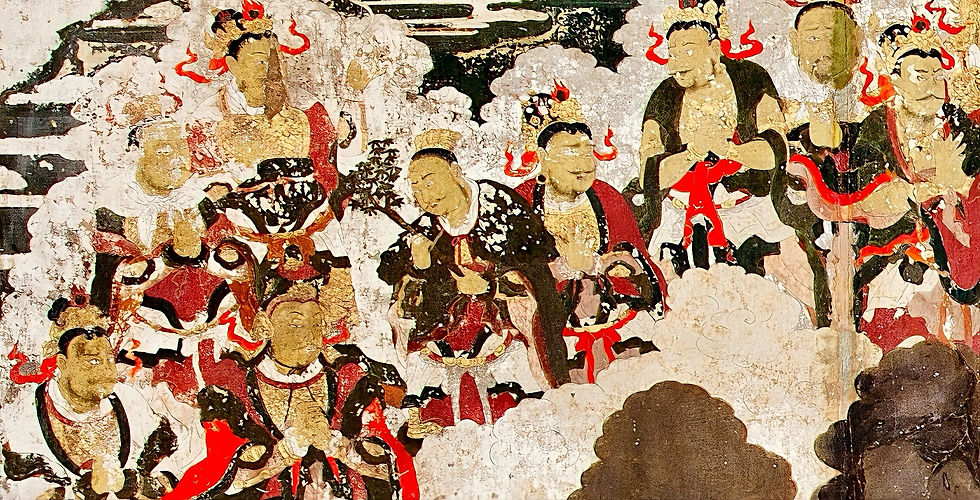
(a)

(b)
Figure 20. Flowing ribbons (highlighted in bright red) around the Taoist thunder gods

Figure 21. Shakyamuni’s canopy
The color palette of Oceanic Congregation of Shakyamuni Buddha applies the theory of the Five Colors that is widely shared among various schools of thoughts in ancient China including Taoism. Originated from the late Shang Dynasty, the theory of the Five Phases came from the five basic elements that generate all natural things and formed the basis for the theory of the Five Colors. The theory of the Five Phases in the Yin and Yang theory is to match the Five Phases with the Five Colors, such as gold, wood, water, fire, earth corresponding to white, blue, black, red, and yellow. The Five Colors are considered the standard orthodox colors in ancient China. Yellow is the central color and is for the exclusive use of emperors to represent sacredness and their divine right to rule. In Oceanic Congregation of Shakyamuni Buddha, the Bodhisattvas, four Great Heavenly Kings, and Taoist deities are all decorated with gold to exude divinity. The seat, canopy, halo, and backlight of Shakyamuni Buddha are also embellished with gold, depicting his magnificence as well as symbolizing the wisdom of Dharma. Red is also one of the standard colors that symbolize sanctity, often used on attires for monks and Buddhas, and is forbidden for ordinary use by civilians (Wang and Yuan 2012). In Oceanic Congregation of Shakyamuni Buddha, the three Mahakalas are accompanied by red backlight with yellowish flames burning around it, both of which are standard colors that represent the attribute of 'Yang' in Taoism, exerting a powerful force that subdues the devils categorized as 'Yin'. Additionally, the various Taoist deities standing on both sides of the main deity are all in standard colors, with red, black, and white on their robes and yellow for their official hats.
3.5 Artistic Analysis of Shakyamuni Buddha Sea Meeting from the Integration of Tibetan Buddhism and Traditional Chinese Paintings
From the Song Dynasty to the late Qing Dynasty, Tibetan Buddhism paintings were continuously influenced by the Han Buddhism paintings of Monks, which subsequently developed various styles such as the Mian Tang style, Qin Ze style, and Gama Gazi style (Bo Guo 2013). Before the 15th century, early Tibetan Buddhist paintings were directly influenced by the distinct Indian and Nepalese styles (Ming Zheng 2016), which were overall flat and decorative, characterized by figures with dynamic postures and background decorative patterns with religious connotations. In addition, influenced by the Sutra of Figure Measurement which originates from India, Tibetan Buddhism paintings stayed faithful to the scriptures meticulous while being decorative in their painting style, showing the sublimity, and sacredness of the religion (Liao 2015).
This rather rigorous style of painting lasted for hundreds of years until the 15th century, when it was gradually modified to form new local painting styles due to multiple influences including the traditional Chinese landscape and figure paintings (Tong 2011). During this period, the Mu family built up a close economic, political, and cultural relationship with the central government of the Ming Dynasty (Mu 2019), and the Tibetan painters who collaborated with painters from the Central Plains of China were more or less influenced by their relatively looser artistic style and their emphasis on the “spirit” and artistic conception. The overall artistic style of Shakyamuni Buddha Sea Meeting focuses has an emphasis on both the realistic depiction of subjects and the expression of “spirit”, which can be seen from its use of delicate smooth lines and depiction of details. Combined with unified color composition, this overall artistic style enables the natural integration of figures of all three religions which usually have distinct features and styles. The three Tibetan Buddhism Mahakalas, in particular, not only retain the characteristics of Tibetan Buddhism such as multiple arms, fierce expression, dynamic posture, and flamed halo but also integrate features from Han Buddhism such as resemblance to real-life figures rather than animals. Meanwhile, the depiction of the Mahakala is not overly elaborate, but rather focuses on the spirituality or “Qi” through the expressiveness of fine linework----its body is formed with delicate and concise lines, and the tips of the flames around its backlight are so thin that they nearly blurred into the background, conveying the “Qi” of burning flames (Figure 25). The skills presented here is close to achieving unity with “Tao”, as if an invisible and intangible "aura" or "charm" can be refined from the visual depiction of the Mahakala. This state of mastery demonstrates the profound integration of Han and Tibetan art.
From the Song Dynasty to the late Qing Dynasty, Tibetan Buddhism paintings were continuously influenced by the Han Buddhism paintings of Monks, which subsequently developed various styles such as the Mian Tang 勉唐style, Chin Ze钦则 style, and Gamagazi噶玛噶孜 style (Bo Guo 2013). Before the 15th century, early Tibetan Buddhist paintings were directly influenced by the distinct Indian and Nepalese styles (Ming Zheng 2016), which were overall flat and decorative, characterized by figures with dynamic postures and background decorative patterns with religious connotations. While being decorative in their own painting style, Tibetan Buddhism paintings stayed faithful to the scriptures in the Sutra of Buddha Body Measurement (造像量度经) that originated from India in order to show sacredness of the religion (Liao 2015).
This rather rigorous style of painting lasted for hundreds of years until the 15th century, when it was gradually modified to form new local painting styles due to multiple influences including the traditional Chinese landscape and figure paintings (Tong 2011). The Tibetan painters who collaborated with painters from the Central Plains of China were more or less influenced by their relatively looser artistic style and emphasis on "spirit" and artistic conception. The overall artistic style of Oceanic Congregation of Shakyamuni Buddha focuses on both the realistic depiction of subjects and the expression of "spirit", naturally integrating the figures from all three religions. The three Tibetan Buddhism Mahakalas, in particular, not only retain the characteristics of Tibetan Buddhism such as multiple arms, fierce expression, dynamic posture, and flamed halo but also integrate features from Han Buddhism such as resemblance to real-life human figures rather than beasts. Meanwhile, the depiction of the Mahakala is not overly elaborate, but rather focuses on the spirituality or "Qi" through the expression of fine linework---its body is formed with delicate and concise lines, and the tips of the flames around its backlight are so thin that they nearly blurred into the background, conveying the "Qi" of burning flames (Figure 22). The skills presented here is close to achieving unity with "Tao", as if an invisible and intangible "aura" or "charm" can be refined from the visual depiction of the Mahakala. This state of mastery demonstrates the profound integration of Han and Tibetan art.

Figure 22. Burning flames behind the Mahakala
During the Ming Dynasty, Tibetan Buddhist painting also demonstrated greater freedom while creating images based on the standards of measurements and proportions. Instead of complete symmetry, the composition of Oceanic Congregation of Shakyamuni Buddha is based on more diverse aesthetic needs such as variation and contrast, as the figures are being organized into groups and arranged in a staggered way rather than appearing perfectly parallel. Most deities surrounding Shakyamuni are slightly tilted to face toward the center to break through the rigidity in composition, while the four heavenly kings at the corners also vary in postures and seem to interact with each other. In addition, the clouds in the background of Shakyamuni Buddha Sea Meeting are also very similar to the clouds in traditional Chinese landscape paintings which often appear ethereal and mystical (Figure 23), as if they were floating through the various deities in the vast sea of the Buddhist realm.

Figure 23. ‘S’-shaped clouds in the background
Tibetan Buddhist painting is the result of the continuous socialization and secularization of Tibetan Buddhism. At the same time, it also sanctifies people's desires in the secular world. The Pure Land depicted in Buddhism is the opposite of the realistic and material world filled with pain and misery. Through the combination of the rigor in Tibetan Buddhism and the realistic style of traditional Chinese painting in Oceanic Congregation of Shakyamuni Buddha, the blissful world of the Buddha can be visualized by the mundane world, making space for concrete imagination of the unseen world---an idealized world based on real-life experiences of the viewer. The images of Buddhas, Bodhisattvas, and other deities in the painting are ultimately the projections of the artist's subjectivity and the times they lived in, telling audiences the various cultural backgrounds and worldviews of the artists. In Oceanic Congregation of Shakyamuni Buddha, the Bodhisattvas, Heavenly Kings, and Taoist gods are all presented in a way reminiscent of the people in the Ming Dynasty such as emperors and royal officials. Buddhist paintings are bound to show a secular tendency since they are influenced by the prevailing painting styles in different periods of time and will ultimately incorporate into the mundane civilian life. Thus, it was also inevitable for the Tibetan painting styles to incorporate features of traditional Chinese paintings.
4. Spiritual Topography of Shakyamuni Buddha Sea Meeting
This section will further explore the mental experience brought to viewers based on previous formalanalysis of the image. Combining the composition of the mural with different viewing perspectives, the second part of this section also discusses how Oceanic Congregation of Shakyamuni Buddha engages with the viewers through constructing a realistic, vivid, divine, and vast realm of the Buddha.
4.1 Spiritual Landscape Constructed by the Coexistence of “Three Religions in One”
The preaching Shakyamuni is one of the eight phases of Shakyamuni Buddha's "Eight Phases to Realization" (Deng 2022). In his article, Deng mentioned that the beginning of the Flower Ornament Scripture(Huayan Jing华严经) describes in detail the solemn and glorious appearance of Shakyamuni preaching to the Bodhisattvas, Vajrapanis, and various deities in a magnificent background (Deng 2022). The theme of Oceanic Congregation of Shakyamuni Buddha is inspired by the preaching scene of Shakyamuni Buddha described in the scripture, integrating elements of Tibetan Buddhism, Han Buddhism, and Taoism within its historical and cultural context. The splendid appearance of Shakyamuni Buddha in Huayan Jing can only be realized through the heart, not with the eyes of the mortals. However, Oceanic Congregation of Shakyamuni Buddha expresses this invisible gathering in a visible form, solidifying the magnificent scene in a way that transcends time and space to be viewed by generations to come. Through interaction between the artist, the physical image, and the audience of Oceanic Congregation of Shakyamuni Buddha, a spiritual landscape is constructed---a field of high energy flows, a harmonious blend of truth and secularism, and a path that leads to the highest state of realization.
To begin with, the physical image of Oceanic Congregation of Shakyamuni Buddha conveys a high-energy state that can be passed on to all its viewers, as the flow of dynamic lines throughout the image creates a powerful sense of liberation, inviting viewers to take part in a spiritual elevation. The artist has structured the whole picture with smooth and dynamic lines that seem light and soft but are full of strength. These lines carry the flow of spirituality within them and fill the entire space with endless flows of energy that start from nowhere, thus bringing the viewers into a supernatural space together with the divine figures. This intangible flow of energy that emanates from within the image allows viewers to feel a powerful surge of energy penetrating through their minds and bodies. This is a process of energy transmission from mind to mind, as viewers are not simply seeing the physical image with their eyes, but also intuitively feeling the spiritual resonance with Shakyamuni Buddha's state of mind. When seeing the mural at first glance, the viewers may not systematically identify all the figures that are depicted, not to mention whether they are from Han Buddhism, Tibetan Buddhism, or Taoism. However, they are immediately enveloped by a solemn yet peaceful and harmonious atmosphere just by looking at the entire composition. It is through the coordination and mixture of various visual factors such as facial expressions, attires, decorations, dynamics, colors, and composition that the image is able to convey this highly energetic state of mind at a glance, opening up the minds of devout believers to the state of awareness that leads them to the point of enlightenment where they can commune with the Buddha.
Additionally, according to Deng's interview with a Buddhist in his article, different figures in Buddhism such as Buddhas, Bodhisattvas, Arhats, etc., indicate the different states of life and the level of enlightenment of Buddhists. In Oceanic Congregation of Shakyamuni Buddha, different figures of Buddhism convey different messages about their state of enlightenment. For example, Shakyamuni and the surrounding Bodhisattvas display the highest state of enlightenment through their dignified and serene portraits, while the Taoist thunder gods above them show expressions of surprise, severity, or intimidation which reflect a lower level of enlightenment. The artist intentionally portrayed these different states of enlightenment when creating the mural, allowing viewers to resonate with their own spiritual states and find reflections of their inner selves within the image whether they are Buddhists or not.
Secondly, the image of Oceanic Congregation of Shakyamuni Buddha demonstrates a harmonious blend of truth and secularism throughout its spiritual topography. The concept of "harmonious integration", commonly known as "Yuan Rong圆融" in Chinese, is a unique concept in Chinese Buddhism. It describes a state of mutual dependence and harmony between things (Chen 2004), representing the great wisdom of the Buddha (Liu and Hu 2009). "Truth" refers to the absolute, transcendent world of Buddhism relative to the materialistic mundane world, whereas "secularism" corresponds to the worldly rules and desires that arise in reality. Oceanic Congregation of Shakyamuni Buddha is created by artists of various cultural backgrounds who may not have directly witnessed or experienced the events depicted in the scriptures. However, since art is made by the people and art comes from life, the visual depictions of the congregation are also reflections of the different artists, patrons, cultures, society, and even politics in the periods they were created, thus offering a visual insight to the rich tapestry of human experiences. These cultural and societal influences shape artists' perceptions of such sacred events and thus the experience of the viewers through constructing a culturally specific image of Oceanic Congregation of Shakyamuni Buddha. For example, the opulent depictions of Buddhas, Bodhisattvas, Heavenly Kings, and other deities in the mural are embedded with traces of popular worldly aesthetics of its own historical background. The deities appear exceedingly luxurious with embellishments resembling those made for royalty, presumably crafted to meet the expectations of the Mu family and aristocrats from other relevant cultures. However, this is not the true intent of Buddhism. The real intent of Buddhism is to help people approach the truth after showing them the impermanence of the mundane world. In Deng's interview, the Buddhist tells us that Buddha represents an infinite state, and when he seeks to enlighten others, he does so based on the other person's state of mind, manifesting an image of wealth and glory merely to show people's worldly desire, but ultimately teaching them that wealth is not endurable, thus leading them to the path of enlightenment (Deng 2022). In Oceanic Congregation of Shakyamuni Buddha, the image of Shakyamuni Buddha exudes an ethereal serenity, free from desire and thoughts after realizing the insight of the mundane world, which approaches the true essence of the awareness of the Buddha. The overall image captivates and overwhelms the viewer with its display of worldly splendor, while more importantly, it subtly conveys a profound, serene, and constant message behind the grand exterior. This is how the worldly aspects of Buddhism blend perfectly with the realm of truth that is behind the scene of Oceanic Congregation of Shakyamuni Buddha.
Thirdly, according to Susan Huang’s book Picturing the True Form: Daoist Visual Culture in Traditional China, this section is also inspired by the intriguing idea of "image as text." According to Huang, images resemble a form of writing, and the "viewing" of images is also a way of decoding texts (Huang 2022). Within Oceanic Congregation of Shakyamuni Buddha, every line, every piece of color, every drifting cloud, and every depiction of a deity seem to be the heavenly letters or characters coming from a divine celestial script, like cloud patterns condensed from the lively cosmic spirits at the beginning of the universe. These "cosmic scripts", to which the images in Oceanic Congregation of Shakyamuni Buddha correspond, possess their own spatial dimensions in the universe that can only be perceived spiritually. This spiritual landscape constructed by Oceanic Congregation of Shakyamuni Buddha is a "text" written in the spiritual realm that can be read by both the artist and the audience, embodying the essence of the universe and leading all beings into meditation and enlightenment.
4.2 Interactive Relationship Between Composition and Viewing Perspective
Sun proposed the triangular structure of composition when analyzing the murals in the Mogao cave. This composition provides a stable view, breaking the originally parallel composition while forming a stable picture with multiple interconnected triangles, which makes the various contents in the mural more closely related (Sun 2024). When applied to Oceanic Congregation of Shakyamuni Buddha, the symmetrical composition has highlighted similar geometric features, mainly the rectangular and the triangular composition. The rectangular composition focuses on the upper half of the picture where groups of figures are located at a higher position behind Shakyamuni Buddha (Figure 24). The layout of the rectangles ensures the stability of the composition and serves as an organized background to highlight the Shakyamuni in the foreground. The triangular composition is mainly shown in the central and lower parts of the picture, with the central one creating an upward trend that breaks the monotony of the upper rectangular composition, and the lower one depicting a group of deities tilted towards the central Buddha. The axisymmetric triangular structure is nested within the rectangular structure, breaking the parallel composition and creating a closer sense of connection between the figures and the central Buddha, thus highlighting his magnificence and solemnity throughout the viewing experience. The layered triangular composition also guides the viewers to enter the world of Oceanic Congregation of Shakyamuni Buddha from the bottom of the image and gradually make their way to the top (Figure 24).

Figure 24. Triangular compositions in Shakyamuni Buddha Sea Meeting
As mentioned in section 3.3, the perspective method used in Oceanic Congregation of Shakyamuni Buddha shows that the vanishing points are not concentrated on a single line of sight but instead move along as the triangular composition ascends from bottom to top. The concept of 'visual tiers' is introduced to refer to multiple viewing points formed along the central axis as the vanishing points continuously rise through the composition (Figure 25). The‘visual tiers' in the picture is divided into three sections from bottom to top. The first tier provides an overhead view of the main deities around the central figure and shows a clear trend of distribution towards the center (Figure 26). The second tier focuses on the main image of Shakyamuni Buddha including the lotus seat, the altar, and the canopy (Figure 27). The vanishing point of this visual tier is at the top of the canopy, which allows for a maximum display of the different facets of the altar while Shakyamuni himself is not subject to perspective distortion, thus enhancing the control of the main Buddha over the composition. The third tier focuses on the figures on either side of Shakyamuni Buddha at the top of the painting (Figure 28). This viewing level does not have an actual vanishing point, as the figures are aligned in a parallel way towards the center of the composition, creating an orderly background composition and emphasizing the central figure. The use of "visual tiers" is another way to express the moving vanishing axes in the composition and is helpful for viewers to better immerse themselves in the scenes depicted on the mural both visually and psychologically.
Figure 25. ‘Visual tiers’ in Shakyamuni Buddha Sea Meeting

Figure 26. The first tier
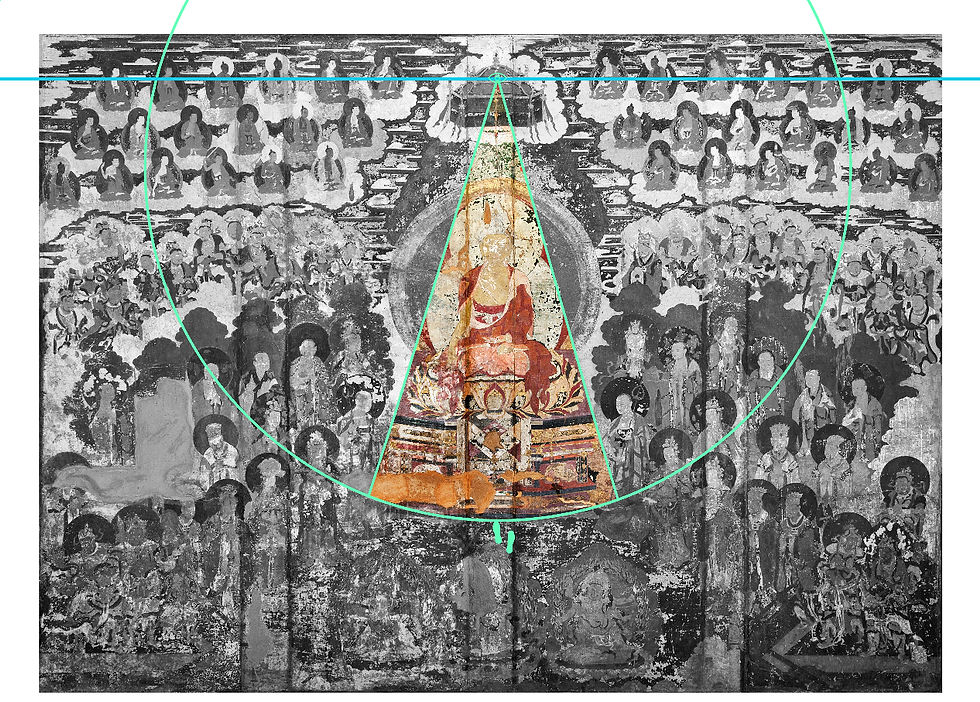
Figure 27. The second tier
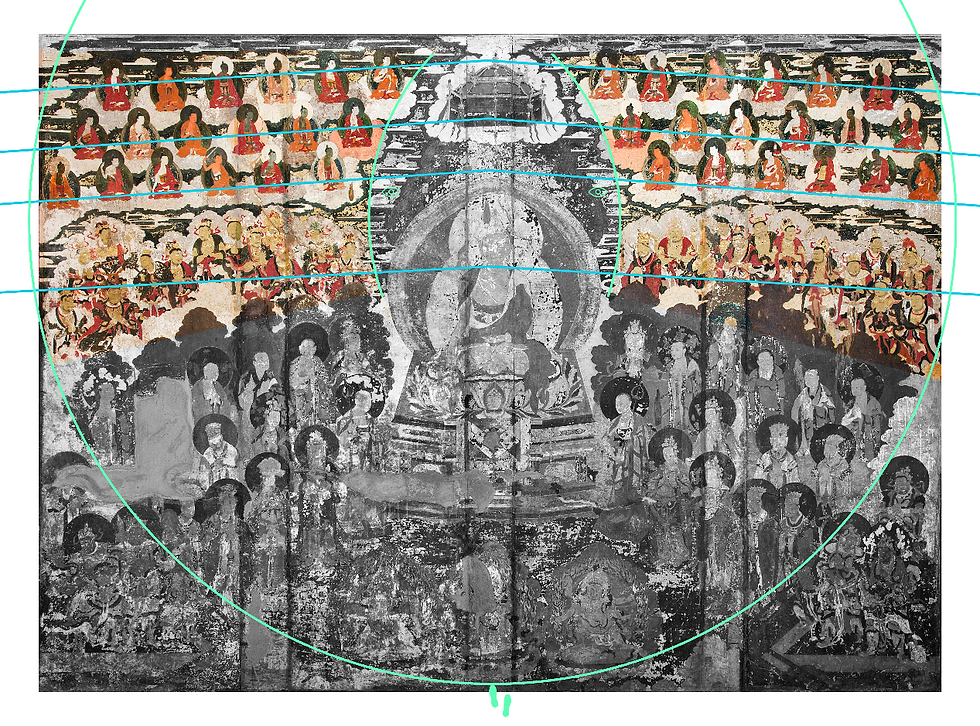
Figure 28. The third tier
5. Conclusion
In conclusion, the Lijiang Baisha Murals stand as a unique testament to the harmonious blending of Han esoteric Buddhism, Tibetan tantric Buddhism, and Taoism. While much research exists on the murals' general introduction, there is a notable gap in the in-depth analysis of their artistic language and the profound spiritual implications experienced by viewers. This essay delved into how the composition, lines, and colors of the Oceanic Congregation of Shakyamuni Buddha effectively encapsulate the concept of "three religions in one." By employing artistic formal analysis from the lenses of Tibetan Buddhism, Han Buddhism, and Taoism, the study illuminated how these visual elements construct a spiritual topography and interact with viewers to transcendtextual representations. Through the combination of Tibetan and traditional Chinese painting styles, Oceanic Congregation of Shakyamuni Buddha exemplifies flexible and creative use of perspectives and composition, employing delicate brushwork of traditional Chinese paintings that emphasize both realistic representation and expression of the "spirit" to achieve a balance between sacredness and humanism.
In addition, Oceanic Congregation of Shakyamuni Buddha succeeds in transforming the intangible into a visible, timeless spectacle that future generations can appreciate. Its portrayal of diverse figures in different states of enlightenment deeply resonates with viewers, reflecting a balance between truth and secular existence. The innovative triangular composition and creation of "visual tiers" further enhance the viewer's immersive experience, allowing them to engage deeply with the majestic presence of Shakyamuni Buddha and explore various states of enlightenment. Through its fusion of artistic styles and spiritual connotations, Oceanic Congregation of Shakyamuni Buddha remains a powerful and enduring symbol of spiritual elevation and artistic excellence.
Author Contributions: Conceptualization, Siliang Chen and Xiyu Hu; methodology, Xiyu Hu and Yunqi Hao; validation, Siliang Chen and Shaohua Wang; formal analysis, Xiyu Hu and Yunqi Hao; investigation, Xiyu Hu, Yunqi Hao and Haixia Feng ; writing—original draft preparation, Xiyu Hu; writing—review and editing, Xiyu Hu, Siliang Chen and Shaohua Wang; visualization, Xiyu Hu , Yunqi Hao and Haixia Feng; supervision, Siliang Chen and Shaohua Wang; project administration, Siliang Chen and Shaohua Wang;All authors have read and agreed to the published version of the manuscript.
Funding: This work was supported by the National Natural Science Foundation of China (No. 42271164).
Acknowledgments: We sincerely appreciate Director Yang Zhijian, Cultural Relics Protection and Management Office of Yulong Naxi Autonomous County, Yunnan Province, China, for the on site investigation supporting.
Conflicts of Interest: The authors declare no conflicts of interest.
References
Bo Guo, 2013. The Localization and Evolution of Tibetan Buddhist Painting styles in the 15th-17th Centuries. Journal of Qinghai Minzu
University: Social Sciences Edition (2): 87-92.
Chen Bing, 2004. The Integrative Spirit of Chinese Buddhism and its Contemporary Significance. Chinese Culture Forum (3): 116-122.
Deng Qiyao, 2022. The Visual Expression and Perception of Shakyamuni’s Preach in the Huyan Sutra. Journal of Qinghai Minzu University: Social Sciences Edition 48(2), 13.
Duan Meijuan, 2017. On the Qualitative Change in the Development of Naxi Painting. Doctoral dissertation, Yunnan Arts Institute, Kunming, China.
Huang Shih-Shan. 2022. Introduction. In Picturing the True Form: Daoist Visual Culture in Traditional China. Zhejiang University Press, pp.1-33.
Li Qunyu,1999. Xinbian Lijiang Fengwuzhi. 5th ed. Kunming, Yunnan: Yunnan People's Publishing House.
Liao Fangrong, 2015. A Glimpse into the Classic Imagery of the Sanskrit Classics: The Sutra on the Measurement of Buddhist Figures. China Nationalities Expo (4): 96-99.
Liu Jingrong, 2007. On the Artistic Quality of Baisha Murals. Master's thesis, Northwest Minzu University, Lanzhou, China.
Liu Yaming and Hu Minyan, 2009. The Possibility of Cultural Harmony from the Buddhist Thought of ‘Yuan Rong’––The Encompassment of Confucianism, Buddhism, and Taoism as an Example. Quest (1): 119-121.
Li Shanjie, 2009. The Conceptual Expression of Chinese Fine Brushwork Painting. Journal of Shandong University: Philosophy and Social Sciences Edition (5), 157-158.
Ma Tao, 2017. A Re-examination of Gu Kaizhi's ‘Form and Spirit’ Theory in the Context of Contemporary Art. Master's thesis, Central Academy of Fine Arts, Beijing, China.
Mu Shihua, 2020. Naxi between Han and Tibetan: Research on the Core Symbol on the Caisson Ceiling in Lijiang Dabaoji Palace. Journal of Xizang Minzu University: Philosophy and Social Sciences Edition 41(5):12.
Pan Xianyi and Yin Ming, 2010. On the Development and Evolution of Taoist Aesthetics. Jiangxi Social Sciences (4): 50-59.
Sun Lei, 2024. Analysis of Architectural Imagery in the Medicine Buddha Sutra Transformation in Cave 148 of Mogao Grottoes. Journal of Architectural History 5(2), pp.81-93.
Tan Youjin and Cui Mingfang, 2012. The Dissemination of Literati Painting to Folk Art––Taking Literati Art on Ceramics as an Example." Journal of the National Museum of China 4(2012):14.
Tong Sailing, 2011. The Mutual Influence Between Ming Dynasty Court and Tibetan Buddhist Art Styles. Popular Literature and Art: Academic Edition (23): 41-43.
Wang Ruirui and Yuan Tao, 2012. Analysis of the Color Language of Baisha Mural Religious Figures. Appreciation of Masterpieces: Critical Edition (Mid-month) (10), 3.
Wang, Haitao. (2002). Yunnan Lidai Bihua Yishu. 4th ed. Kunming, Yunnan: Yunnan Fine Arts Publishing House.
Yang Liwei, 2005. The Buddhist Concept of ‘Equality of All Beings’ and its Modern Significance. Journal of Hebei University: Philosophy and Social Sciences Edition 30(2): 76-78.
Yang Yuanyuan, 2015. Decorative Features in the Lijiang Baisha Mural Art. Master's thesis, Yunnan Arts Institute, Kunming, China.
Yang Zhonglin, 2021. Research on the mural art of the Qiangba Hall in Lijiang Zamei Temple. Master's thesis, Yunnan Arts Institute, Kunming, China.
Yu Juanjuan, 2010. Analysis of the Aesthetics of Taoist Murals. Doctoral dissertation, Shaanxi Normal University, Xi’an, China.
Zeng Zheng, 2015. Teaching the Color Language of Chinese Fine Brushwork Painting. Art World (9), 64-64.
Zhou Xu, 2010. Unity of Mind and Scene––the Characteristics of Traditional Chinese Painting. The Writer (4), 204-205.
Zhu Shouju, 1995. The Aesthetic Ideology and Creative Features of Fine Brush Flower-and-bird Painting. Journal of University of Jinan: Social Science Edition (4): 43-45.


Comments